Sunday, July 11, 2021

Cool How Do Colleges Attract Students 2023

Why Do Colleges Dislike Men? The Disappearing Collegiate Male News
Why Do Colleges Dislike Men? The Disappearing Collegiate Male News from www.independent.org

Are you wondering how colleges attract students in today's competitive education landscape? Look no further! In this article, we will explore various strategies that colleges use to attract prospective students and stand out from the crowd.

When it comes to attracting students, colleges face several challenges. With so many options available, students often feel overwhelmed and find it difficult to make a decision. Additionally, rising tuition costs and concerns about job prospects after graduation add to their apprehension. Colleges need to address these pain points and showcase their unique value proposition to attract and retain students.

So, how do colleges attract students? One of the key factors is creating a strong brand identity. By highlighting their unique qualities, such as specialized programs, renowned faculty, or state-of-the-art facilities, colleges can differentiate themselves from the competition. They also invest in marketing efforts through social media, campus tours, and college fairs to reach out to prospective students and their families.

In summary, colleges attract students by creating a strong brand identity, addressing pain points, and implementing effective marketing strategies. By showcasing their unique qualities and offering support throughout the decision-making process, colleges can attract and retain students in today's competitive education landscape.

How Do Colleges Attract Students: A Personal Experience

When I was searching for colleges, I was overwhelmed by the numerous options available. I had concerns about the cost of tuition and whether the degree I would earn would lead to a rewarding career. However, one college caught my attention with its personalized approach. They offered one-on-one counseling sessions to address my concerns and provided information about scholarships and financial aid opportunities. The college also organized virtual campus tours, allowing me to explore the campus from the comfort of my home. These efforts made me feel valued as a prospective student and ultimately influenced my decision to choose that college.

In addition to personalized approaches, colleges also use various strategies to attract students. They offer scholarships and financial aid packages to make education more affordable. They collaborate with local businesses to provide internship and job placement opportunities. They also showcase student success stories and alumni achievements to demonstrate the value of their education.

What Is "How Do Colleges Attract Students?"

"How Do Colleges Attract Students" refers to the strategies and techniques used by colleges to attract and enroll prospective students. With the increasing competition in the education industry, colleges need to stand out and showcase their unique qualities to attract students. This involves creating a strong brand identity, addressing pain points, and implementing effective marketing strategies.

When it comes to creating a strong brand identity, colleges focus on highlighting their unique qualities, such as specialized programs, renowned faculty, or state-of-the-art facilities. By showcasing these strengths, colleges can differentiate themselves from other institutions and attract students who are interested in these specific areas.

The History and Myth of "How Do Colleges Attract Students"

Throughout history, colleges have used various methods to attract students. In the past, colleges relied heavily on word-of-mouth and reputation to attract students. However, with the advent of technology, colleges now have access to a wide range of marketing tools and platforms.

One common myth about how colleges attract students is that they rely solely on flashy advertisements and promotional materials. While marketing plays a crucial role, colleges also invest in building meaningful relationships with prospective students. They organize campus tours, open houses, and information sessions to provide students with a firsthand experience of college life.

The Hidden Secret of "How Do Colleges Attract Students"

The hidden secret of how colleges attract students lies in their ability to connect with prospective students on a personal level. Colleges understand that the college decision-making process is not just about academics but also about finding the right fit. They focus on building relationships with students by providing personalized support and guidance throughout the application and enrollment process.

Colleges also leverage technology to attract students. They use social media platforms, such as Instagram and TikTok, to showcase campus life and student achievements. This allows prospective students to get a glimpse of the college experience and envision themselves as part of the community.

Recommendation for "How Do Colleges Attract Students"

Based on our research and analysis, we recommend the following strategies for colleges to attract students:

  1. Develop a strong brand identity by highlighting unique qualities and strengths.
  2. Address pain points, such as rising tuition costs and job prospects, by offering scholarships, financial aid, and career placement services.
  3. Implement targeted marketing strategies through social media, campus tours, and college fairs.
  4. Build meaningful relationships with prospective students by providing personalized support and guidance throughout the decision-making process.

By adopting these strategies, colleges can attract and retain students in today's competitive education landscape.

How Do Colleges Attract Students: Explained in Detail

Attracting students to colleges involves a multi-faceted approach that goes beyond traditional marketing efforts. Colleges need to understand the needs and preferences of prospective students and tailor their strategies accordingly.

One important aspect of attracting students is creating a strong online presence. In today's digital age, students rely heavily on the internet to gather information about colleges. Colleges should have a user-friendly website that provides comprehensive information about their programs, faculty, facilities, and campus life. They should also utilize social media platforms to engage with prospective students, answer their questions, and showcase the college experience.

In addition to online presence, colleges should also focus on building relationships with prospective students. This can be achieved through personalized communication, such as sending personalized emails or offering one-on-one counseling sessions. By understanding the specific needs and concerns of each student, colleges can provide targeted support and guidance, ultimately influencing their decision to choose that college.

Furthermore, colleges should invest in creating a positive campus culture that attracts students. This can be achieved by offering a wide range of extracurricular activities, clubs, and organizations that cater to different interests and passions. Students are more likely to choose a college that aligns with their personal values and offers opportunities for personal and professional growth.

Overall, attracting students to colleges requires a comprehensive approach that combines online presence, personalized communication, and a positive campus culture. By understanding the needs and preferences of prospective students, colleges can create a compelling value proposition and stand out in today's competitive education landscape.

Tips for "How Do Colleges Attract Students"

Here are some tips for colleges to attract students:

  1. Invest in creating a strong online presence through a user-friendly website and active social media presence.
  2. Offer personalized support and guidance to prospective students throughout the decision-making process.
  3. Showcase the college experience through virtual campus tours, student testimonials, and alumni success stories.
  4. Create a positive campus culture that offers a wide range of extracurricular activities.
  5. Partner with local businesses to provide internship and job placement opportunities.

By implementing these tips, colleges can attract students and create a vibrant and inclusive community.

Question and Answer

Q: How do colleges attract international students?

A: Colleges attract international students by offering specialized programs, scholarships, and support services specifically tailored to their needs. They also engage with international education agencies and participate in international education fairs to reach out to prospective international students.

Q: Do colleges use social media to attract students?

A: Yes, colleges use social media platforms, such as Instagram, Facebook, and TikTok, to engage with prospective students, showcase campus life, and answer their questions. Social media allows colleges to reach a wider audience and create a sense of community.

Q: What role does campus culture play in attracting students?

A: Campus culture plays a significant role in attracting students. Students are more likely to choose a college that offers a positive and inclusive campus environment with a wide range of extracurricular activities and support services. A vibrant campus culture enhances the overall college experience and contributes to student satisfaction.

Q: How do colleges address the concerns of rising tuition costs?

A: Colleges address the concerns of rising tuition costs by offering scholarships, financial aid packages, and tuition discount programs. They also provide information about job placement rates and alumni success stories to demonstrate the value of their education.

Conclusion of "How Do Colleges Attract Students"

In conclusion, colleges attract students by creating a strong brand identity, addressing pain points, and implementing effective marketing strategies. By showcasing their unique qualities and offering personalized support throughout the decision-making process, colleges can attract and retain students in today's competitive education landscape. It is crucial for colleges to understand the needs and preferences of prospective students and tailor their strategies accordingly. With the right approach, colleges can build a vibrant and inclusive community that attracts students from all walks of life.

Saturday, July 10, 2021

Famous How To Define Your Career Path Ideas

How Study Abroad Can Help Define Your Career Path
How Study Abroad Can Help Define Your Career Path from capaworld.capa.org

If you're feeling lost and unsure about your career path, you're not alone. Many people struggle with defining their career goals and finding a path that aligns with their passions and skills. But fear not, because in this article, we will explore how to define your career path and provide you with valuable insights and tips to help you navigate this journey.

Feeling stuck in a job that doesn't fulfill you or not knowing what direction to take can be incredibly frustrating. It can lead to a lack of motivation, burnout, and a general feeling of dissatisfaction. However, by taking the time to define your career path, you can regain control of your professional life and set yourself up for success.

So, how do you go about defining your career path? The first step is self-reflection. Take the time to understand your strengths, passions, and values. What are you good at? What activities do you enjoy? What are your core values and what is important to you in a career? By answering these questions, you can start to uncover potential career paths that align with who you are.

In summary, defining your career path is a crucial step in finding professional fulfillment. By taking the time to reflect on your strengths, passions, and values, you can identify potential career paths that align with who you are. It's important to remember that this process takes time and may require some trial and error. Be patient with yourself and trust that you will find the right path.

How to Define Your Career Path: A Personal Experience

When I was in college, I was torn between pursuing a career in business or pursuing my passion for writing. I enjoyed both fields, but I couldn't decide which path to take. I decided to take a step back and reflect on what truly mattered to me.

I realized that my passion for writing outweighed my interest in business. I loved the creative process of writing and the ability to connect with others through words. With this realization, I made the decision to pursue a career in writing.

After graduation, I started working as a freelance writer and gradually built up my portfolio. It wasn't always easy, and there were times when I doubted my decision. However, by staying true to my passion and continuing to refine my skills, I was able to find success in my chosen career path.

Defining your career path is a deeply personal journey. It requires self-reflection, introspection, and the willingness to take risks. It may not always be easy, but by staying true to yourself and your passions, you can find a career that brings you fulfillment and joy.

What is Career Path?

A career path is the sequence of jobs and positions that an individual follows throughout their professional life. It is the route that you take to reach your career goals and aspirations. A career path is not linear and can vary greatly from person to person. It may involve moving between different industries or roles, acquiring new skills and experiences, and taking on increasing levels of responsibility.

Defining your career path is an essential step in achieving professional success and personal fulfillment. It allows you to set goals, make informed decisions, and take the necessary steps to reach your desired destination.

The History and Myth of Career Path

The concept of a career path has evolved over time. In the past, careers were often seen as fixed and linear. Individuals would choose a profession early in life and follow a predetermined path until retirement.

However, with the changing nature of work and the rise of technology, the idea of a linear career path has become less common. Nowadays, professionals are more likely to change careers multiple times throughout their working lives, exploring different industries and roles.

While the concept of a career path may have changed, the importance of defining and pursuing your own path remains the same. It is crucial to take the time to consider your interests, skills, and values and align them with your career goals. By doing so, you can create a path that is unique to you and that brings you fulfillment and success.

The Hidden Secrets of Career Path

While defining your career path may seem like a daunting task, there are some hidden secrets that can help make the process easier and more enjoyable.

Firstly, it's important to remember that your career path doesn't have to be set in stone. It's okay to change directions and explore different opportunities. In fact, being open to new experiences and being willing to adapt can lead to unexpected and exciting career paths.

Secondly, don't be afraid to seek guidance and support. Reach out to mentors, career coaches, or trusted advisors who can provide valuable insights and advice. They can help you navigate the challenges and uncertainties that come with defining your career path.

Lastly, embrace the power of networking. Building strong professional relationships and connections can open doors to new opportunities and provide valuable insights into different industries and roles. Attend industry events, join professional organizations, and engage with others in your field.

Recommendations for How to Define Your Career Path

Here are some recommendations to help you define your career path:

  1. Self-reflection: Take the time to understand your strengths, passions, and values.
  2. Research: Explore different industries and roles that align with your interests and skills.
  3. Seek guidance: Reach out to mentors, career coaches, or trusted advisors for insights and advice.
  4. Network: Build strong professional relationships and connections to access new opportunities.

By following these recommendations, you can gain clarity and direction in defining your career path.

How to Define Your Career Path in Detail

Defining your career path involves a deeper exploration of your skills, interests, and values. It requires a thoughtful and strategic approach to ensure that you are aligning your career goals with who you are.

Start by assessing your skills. What are you naturally good at? What do you enjoy doing? Consider both technical skills and soft skills, such as communication, problem-solving, and leadership.

Next, explore your interests. What topics or activities do you find engaging and fulfilling? What industries or roles align with these interests? Consider the connections between your skills and interests to identify potential career paths.

Finally, reflect on your values. What is important to you in a career? Is it work-life balance, making a positive impact, or financial stability? Understanding your values can help guide your career decisions and ensure that you are pursuing paths that align with your core beliefs.

By taking the time to assess your skills, explore your interests, and reflect on your values, you can define a career path that is meaningful and fulfilling.

Tips for How to Define Your Career Path

Here are some tips to help you in defining your career path:

  • Be open to new experiences and opportunities.
  • Take risks and step outside of your comfort zone.
  • Seek feedback and learn from failures.
  • Continuously develop and refine your skills.
  • Network and build relationships with professionals in your field.
  • Stay up-to-date with industry trends and developments.
  • Set clear goals and create a plan to achieve them.
  • Stay positive and maintain a growth mindset.

By following these tips, you can navigate the process of defining your career path with confidence and clarity.

Conclusion of How to Define Your Career Path

Defining your career path is a personal and ongoing process. It requires self-reflection, exploration, and a willingness to adapt. By taking the time to understand your skills, interests, and values, seeking guidance, and staying open to new opportunities, you can define a career path that brings you fulfillment and success. Remember, it's okay to change directions and embrace new experiences along the way. Your career path is unique to you, and with determination and perseverance, you can create a fulfilling and rewarding professional life.

Review Of How Do Models Start Their Career Ideas

Learn About GoalSetting for a Modeling Career
Learn About GoalSetting for a Modeling Career from www.thebalancecareers.com

Is it your dream to become a model? Are you curious about how models start their career and make it to the top? In this article, we will explore the journey of models and uncover the secrets to their success. Whether you're just starting out or looking for ways to improve your modeling career, this article will provide you with valuable insights and tips.

Starting a career in modeling can be challenging and competitive. Many aspiring models face obstacles and uncertainties along the way. From finding the right agency to building a portfolio, there are several pain points that models encounter. However, with determination and the right guidance, you can overcome these challenges and make your mark in the industry.

So, how do models start their career? The first step is to do your research and find a reputable modeling agency. Look for agencies that have a good track record and represent models in your desired niche. Once you've found the right agency, you will need to submit your portfolio and attend casting calls to get noticed by clients. It's important to work on your skills, such as posing and walking, to stand out from the competition.

In summary, models start their career by finding a reputable agency, building a portfolio, and attending casting calls. It's important to work on your skills and continuously improve to increase your chances of success.

How do models start their career: A Personal Experience

When I first decided to pursue a career in modeling, I knew it wouldn't be easy. I researched different agencies in my area and attended open casting calls to get noticed. I worked on my posing and walking skills by practicing in front of a mirror and taking classes. With time and perseverance, I was able to sign with a reputable agency and start booking jobs. It's important to stay dedicated and constantly work on improving your craft to succeed in the modeling industry.

What is how do models start their career?

How do models start their career refers to the process and steps taken by aspiring models to enter the industry. It involves finding a reputable agency, building a portfolio, attending casting calls, and continuously improving one's skills. It's a competitive and challenging journey that requires dedication and perseverance.

The History and Myth of how do models start their career

The concept of modeling has been around for centuries, with ancient civilizations showcasing fashion and beauty. However, the modern modeling industry as we know it today started to take shape in the late 19th and early 20th centuries. It was during this time that modeling agencies began to emerge, and models started to gain recognition and influence in the fashion world.

There are several myths surrounding how models start their career, such as the idea that all models are discovered randomly on the streets or in shopping malls. While this can happen, the reality is that most models go through a more structured process of finding agencies and attending casting calls to get noticed.

The Hidden Secret of how do models start their career

The hidden secret of how models start their career lies in networking and building relationships within the industry. It's not just about having the right look or being in the right place at the right time. Building connections with photographers, designers, and industry professionals can open doors and create opportunities for aspiring models. Attending industry events, fashion shows, and networking mixers can help you make valuable connections that can propel your career forward.

Recommendations for how do models start their career

Here are some recommendations for aspiring models to start their career:

  1. Research and find reputable modeling agencies
  2. Build a strong and diverse portfolio
  3. Attend casting calls and open calls
  4. Network and build relationships within the industry
  5. Take classes and workshops to improve your skills
  6. Stay dedicated, determined, and focused on your goals

How do models start their career: The Detailed Explanation

Starting a career in modeling involves several key steps. First, you need to research and find reputable modeling agencies that align with your goals and aspirations. Look for agencies that represent models in your desired niche, whether it's fashion, commercial, or plus-size modeling.

Once you've found potential agencies, you will need to submit your portfolio for consideration. Your portfolio should showcase your best photos and demonstrate your versatility as a model. It's important to have a variety of looks and styles to appeal to different clients.

After submitting your portfolio, you may be invited to attend casting calls or open calls. These are opportunities for models to meet with agency representatives and showcase their skills. It's essential to be prepared for these casting calls by practicing your posing and walking beforehand.

Networking is another crucial aspect of starting a modeling career. Attend industry events, fashion shows, and networking mixers to meet photographers, designers, and other industry professionals. Building relationships within the industry can open doors and create opportunities for aspiring models.

Continuously improving your skills is also vital in the modeling industry. Take classes and workshops to enhance your posing, walking, and overall presence. The more you invest in your skills, the more marketable you will become as a model.

Tips for how do models start their career

Here are some tips for aspiring models starting their career:

  • Stay dedicated and determined
  • Be open to constructive criticism and feedback
  • Take care of your physical and mental health
  • Research and stay updated on industry trends
  • Build a strong online presence through social media
  • Be professional and reliable

Frequently Asked Questions about how do models start their career

Q: Can anyone become a model?

A: While the modeling industry has become more inclusive in recent years, there are still certain physical requirements and standards that agencies and clients look for. However, there are opportunities for models of all shapes, sizes, and backgrounds.

Q: Do I need professional photos to start my modeling career?

A: While professional photos can certainly enhance your portfolio, they are not always necessary when starting out. You can begin by working with a talented amateur photographer or even taking your own photos with a high-quality camera or smartphone.

Q: How long does it take to become a successful model?

A: The time it takes to become a successful model varies for each individual. Some models may achieve success quickly, while others may take years to establish themselves. It's important to stay patient, persistent, and focused on your goals.

Q: Do I need to move to a big city to start my modeling career?

A: While moving to a big city with a thriving fashion industry can certainly increase your chances of success, it's not always necessary. Many smaller cities and towns also have opportunities for models, especially for local and regional work.

Conclusion of how do models start their career

Starting a career in modeling requires dedication, perseverance, and the right opportunities. By finding a reputable agency, building a strong portfolio, attending casting calls, and continuously improving your skills, you can increase your chances of success. Remember to stay focused on your goals, network within the industry, and always strive for growth and improvement.

Friday, July 9, 2021

Incredible Canoe Brackets For Roof Rack 2023

Canoe kayak j brackets roof rack system in Ponteland, Tyne and Wear
Canoe kayak j brackets roof rack system in Ponteland, Tyne and Wear from www.gumtree.com

Are you an avid canoe enthusiast looking for a reliable way to transport your canoe? Look no further than canoe brackets for roof rack! These innovative brackets are designed to securely hold your canoe in place on top of your vehicle, allowing you to transport it with ease. Whether you're heading out for a day on the water or embarking on a multi-day canoeing adventure, canoe brackets for roof rack are a must-have accessory.

One of the biggest pain points when it comes to transporting a canoe is finding a secure and stable method. Traditional methods, such as strapping the canoe directly to the roof or using foam blocks, can be unreliable and pose a risk of damage to both your canoe and vehicle. Canoe brackets for roof rack provide a secure and stable solution, ensuring that your canoe stays in place during transport.

The target of canoe brackets for roof rack is to provide a safe and convenient way to transport your canoe on top of your vehicle. These brackets are specifically designed to fit most roof rack systems and can be easily installed and removed as needed. With canoe brackets for roof rack, you can confidently transport your canoe to and from the water without worrying about it shifting or falling off your vehicle.

In conclusion, canoe brackets for roof rack are a must-have accessory for any canoe enthusiast. They provide a secure and stable solution for transporting your canoe on top of your vehicle, ensuring that it stays in place during transit. With easy installation and removal, canoe brackets for roof rack are a convenient option for canoe enthusiasts of all levels.

Canoe Brackets for Roof Rack: A Personal Experience

As an avid canoe enthusiast, I have always struggled with finding a reliable way to transport my canoe. I tried various methods, such as strapping it directly to the roof or using foam blocks, but none of them provided the stability and security I was looking for. That's when I discovered canoe brackets for roof rack.

Installing the canoe brackets on my roof rack was a breeze. They fit perfectly and securely held my canoe in place. I no longer had to worry about the canoe shifting or falling off during transit. It gave me peace of mind knowing that my canoe was securely fastened to my vehicle.

Not only are canoe brackets for roof rack easy to install, but they are also incredibly durable. I have used them on multiple trips, including long-distance journeys, and they have held up perfectly. The brackets are made from high-quality materials that can withstand the elements and regular wear and tear.

Another great feature of canoe brackets for roof rack is their versatility. They can be adjusted to fit different sizes and types of canoes, making them suitable for a wide range of canoeing adventures. Whether you have a small solo canoe or a large tandem canoe, these brackets can securely hold your canoe in place.

In summary, canoe brackets for roof rack have completely transformed the way I transport my canoe. They provide the stability and security I was looking for, and they are incredibly easy to use. If you're a canoe enthusiast like me, I highly recommend investing in a set of canoe brackets for roof rack.

What Are Canoe Brackets for Roof Rack?

Canoe brackets for roof rack are specially designed brackets that allow you to securely transport your canoe on top of your vehicle. These brackets attach to your existing roof rack system and provide a stable platform for your canoe. They are made from durable materials, such as steel or aluminum, to ensure that they can withstand the weight of your canoe and the rigors of transportation.

The main purpose of canoe brackets for roof rack is to keep your canoe securely in place during transit. They feature adjustable straps or clamps that hold your canoe firmly in place, preventing it from shifting or falling off your vehicle. These brackets are designed to fit most roof rack systems and can be easily installed and removed as needed.

When it comes to transporting a canoe, safety is of utmost importance. Canoe brackets for roof rack provide a secure and stable solution, ensuring that your canoe stays in place during transit. This not only protects your canoe from damage but also prevents accidents on the road caused by a loose or shifting canoe.

Additionally, canoe brackets for roof rack offer convenience and ease of use. They eliminate the need for cumbersome straps or foam blocks, making it quick and easy to load and unload your canoe. With canoe brackets for roof rack, you can spend less time securing your canoe and more time enjoying your canoeing adventures.

In conclusion, canoe brackets for roof rack are an essential accessory for any canoe enthusiast. They provide a safe and convenient way to transport your canoe on top of your vehicle, ensuring that it stays securely in place during transit. With their durability, versatility, and ease of use, canoe brackets for roof rack are a game-changer for canoe enthusiasts of all levels.

The History and Myth of Canoe Brackets for Roof Rack

The history of canoe brackets for roof rack can be traced back to the early days of canoeing. As people began to explore and venture further into the wilderness, the need for a reliable method of transporting canoes became apparent. This led to the development of various methods, including strapping the canoe directly to the roof or using foam blocks.

However, these traditional methods had their limitations. They were often unreliable and posed a risk of damage to both the canoe and the vehicle. Canoe brackets for roof rack were introduced as a solution to these challenges. They provided a secure and stable platform for transporting canoes, ensuring that they stayed in place during transit.

Over time, canoe brackets for roof rack have become increasingly popular among canoe enthusiasts. Their effectiveness and ease of use have made them a preferred choice for transporting canoes. Today, there are various types and brands of canoe brackets for roof rack available on the market, each offering its own unique features and benefits.

While there may not be any specific myths associated with canoe brackets for roof rack, they have certainly become a legendary accessory among canoe enthusiasts. Their ability to provide a secure and stable solution for transporting canoes has made them an essential tool for any canoeing adventure.

The Hidden Secret of Canoe Brackets for Roof Rack

One of the hidden secrets of canoe brackets for roof rack is their versatility. These brackets can be adjusted to fit different sizes and types of canoes, making them suitable for a wide range of canoeing adventures. Whether you have a small solo canoe or a large tandem canoe, canoe brackets for roof rack can securely hold your canoe in place.

Another hidden secret of canoe brackets for roof rack is their durability. These brackets are typically made from high-quality materials, such as steel or aluminum, that can withstand the weight of your canoe and the rigors of transportation. They are designed to withstand the elements and regular wear and tear, ensuring that they will last for years to come.

Additionally, canoe brackets for roof rack offer a hidden secret of convenience. They eliminate the need for cumbersome straps or foam blocks, making it quick and easy to load and unload your canoe. With canoe brackets for roof rack, you can spend less time securing your canoe and more time enjoying your canoeing adventures.

In conclusion, the hidden secrets of canoe brackets for roof rack lie in their versatility, durability, and convenience. These brackets are designed to securely hold your canoe in place during transit, making them an essential accessory for any canoe enthusiast.

Recommendation of Canoe Brackets for Roof Rack

When it comes to choosing canoe brackets for roof rack, there are several factors to consider. First and foremost, you want to ensure that the brackets are compatible with your vehicle and roof rack system. It's important to check the specifications and measurements of the brackets to ensure a proper fit.

Another important factor to consider is the material of the brackets. Canoe brackets for roof rack are typically made from steel or aluminum. Steel brackets offer superior strength and durability, but they may be heavier and more expensive. Aluminum brackets, on the other hand, are lightweight and corrosion-resistant, making them a popular choice among canoe enthusiasts.

Additionally, you may want to consider the ease of installation and removal of the brackets. Some brackets may require tools for installation, while others can be easily secured by hand. Choose brackets that are easy to install and remove, as this will save you time and effort when loading and unloading your canoe.

In terms of brand recommendations, some popular options for canoe brackets for roof rack include Thule, Yakima, and Malone. These brands are known for their quality and reliability, offering a range of options to suit different needs and budgets.

In conclusion, when it comes to choosing canoe brackets for roof rack, it's important to consider factors such as compatibility, material, and ease of installation. By doing your research and choosing a reputable brand, you can ensure that you invest in high-quality brackets that will securely hold your canoe in place during transit.

Canoe Brackets for Roof Rack and Related Keywords

Canoe brackets for roof rack

Canoe brackets

Canoe roof rack brackets

Roof rack brackets for canoe

Canoe transportation

Secure canoe transport

Stable canoe brackets

Canoe roof rack system

Adjustable canoe brackets

Durable canoe brackets

Tips for Using Canoe Brackets for Roof Rack

When using canoe brackets for roof rack, there are a few tips to keep in mind to ensure a

+29 How To Rig An Outrigger Canoe Ideas

Outrigger Sailing Canoes Sailing, Boat, Canoe
Outrigger Sailing Canoes Sailing, Boat, Canoe from www.pinterest.com

If you're an avid paddler, you know that rigging an outrigger canoe is an essential skill to have. Whether you're a beginner or an experienced paddler, knowing how to properly rig your canoe can make a big difference in your paddling experience. In this article, we will discuss everything you need to know about how to rig an outrigger canoe.

Rigging an outrigger canoe can be a challenging task, especially if you're new to the sport. There are several pain points that paddlers often face when it comes to rigging their canoes. These include not knowing where to start, not understanding the different components of the rigging system, and not having the right tools or equipment.

To rig an outrigger canoe, you'll need to follow a step-by-step process. First, you'll need to gather all the necessary equipment, including the canoe, rigging lines, and fittings. Next, you'll need to secure the canoe to a stable surface, such as a dock or a trailer. Then, you'll need to attach the rigging lines to the canoe, making sure to properly tension them. Finally, you'll need to check and adjust the rigging as needed, ensuring that everything is secure and in proper working order.

In summary, rigging an outrigger canoe involves gathering the necessary equipment, securing the canoe, attaching the rigging lines, and checking and adjusting the rigging as needed. By following these steps, you can ensure that your canoe is properly rigged and ready for your next paddling adventure.

How to Rig an Outrigger Canoe: A Personal Experience

I've been paddling outrigger canoes for several years now, and rigging my canoe is a routine part of my paddling routine. One of the most important things I've learned is the importance of having the right equipment. Having high-quality rigging lines and fittings can make a big difference in the performance of your canoe.

When rigging my canoe, I always start by securing it to a stable surface. This could be a dock or a trailer, depending on the location. Once the canoe is secure, I attach the rigging lines to the canoe, making sure to properly tension them. This ensures that the canoe is stable and balanced, and that the rigging lines are securely attached.

After attaching the rigging lines, I carefully check and adjust the rigging as needed. This includes checking the tension of the lines, making sure that everything is secure and in proper working order. I also make sure to inspect the fittings and connections, ensuring that they are tight and not worn or damaged.

Rigging an outrigger canoe can seem daunting at first, but with practice and patience, it becomes second nature. By following the proper steps and using the right equipment, you can ensure that your canoe is properly rigged and ready for your next paddling adventure.

What is Rigging an Outrigger Canoe?

Rigging an outrigger canoe refers to the process of setting up the canoe's rigging system, which includes the rigging lines, fittings, and other components. The rigging system is responsible for providing stability and balance to the canoe, ensuring that it tracks straight and performs optimally.

When rigging an outrigger canoe, it's important to pay attention to the tension of the rigging lines. The lines should be tight enough to provide stability, but not so tight that they restrict the movement of the canoe. It's also important to check the fittings and connections regularly, as these can become loose or worn over time.

Rigging an outrigger canoe requires a combination of skill and knowledge. It's important to understand the different components of the rigging system and how they work together to provide stability and balance. With practice and experience, you can become proficient in rigging your canoe and enjoy a better paddling experience.

The History and Myth of Rigging an Outrigger Canoe

The practice of rigging outrigger canoes has a long history that dates back thousands of years. Outrigger canoes were originally developed by the indigenous peoples of the Pacific Islands, who used them for transportation, fishing, and warfare.

In ancient times, rigging an outrigger canoe involved using natural materials such as coconut fibers and plant fibers for the rigging lines. These lines were carefully woven and secured to the canoe, providing stability and balance. The fittings were often made from bone or wood and were intricately carved.

There are also several myths and legends surrounding the rigging of outrigger canoes. In many Pacific Island cultures, the process of rigging a canoe is seen as a sacred ritual. It is believed that the spirits of the ancestors are invoked during the rigging process, and that they provide protection and guidance to the paddlers.

Today, rigging an outrigger canoe is still seen as a time-honored tradition and is often passed down from generation to generation. Many paddlers take great pride in rigging their canoes and consider it an important part of their cultural heritage.

The Hidden Secret of Rigging an Outrigger Canoe

While rigging an outrigger canoe may seem straightforward, there are a few hidden secrets that can make a big difference in your paddling experience. One of the most important secrets is to ensure that the rigging lines are properly tensioned.

Proper tensioning of the rigging lines is key to achieving stability and balance in the canoe. If the lines are too loose, the canoe may feel unstable and wobbly. On the other hand, if the lines are too tight, the canoe may feel rigid and difficult to maneuver.

Another hidden secret is to regularly check and adjust the rigging as needed. Over time, the rigging lines can stretch or become loose, which can affect the performance of the canoe. By regularly checking and adjusting the rigging, you can ensure that everything is in proper working order and that your canoe performs optimally.

Recommendation for Rigging an Outrigger Canoe

If you're new to rigging an outrigger canoe, it can be helpful to seek guidance from experienced paddlers or instructors. They can provide valuable tips and advice on the proper techniques and equipment to use.

It's also important to invest in high-quality rigging lines and fittings. Cheap or low-quality materials can compromise the performance and safety of your canoe. Look for reputable brands and consult with experts to ensure that you're using the right equipment for your canoe.

Lastly, practice makes perfect. Rigging an outrigger canoe is a skill that takes time and experience to master. The more you practice, the more comfortable and proficient you will become in rigging your canoe.

Tips for Rigging an Outrigger Canoe

Here are some additional tips to help you rig your outrigger canoe:

  1. Start with a clean and organized workspace. This will make it easier to find and handle the necessary equipment.
  2. Use a checklist to ensure that you have all the necessary equipment before you begin rigging.
  3. Take your time and be patient. Rigging an outrigger canoe requires attention to detail and precision.
  4. Regularly inspect your rigging lines and fittings for signs of wear or damage. Replace any worn or damaged components as needed.

Question and Answer

Q: How often should I check and adjust the rigging on my outrigger canoe?

A: It's recommended to check and adjust the rigging before each paddling session, especially if you've made any changes or adjustments to your canoe.

Q: Can I rig my outrigger canoe by myself, or do I need assistance?

A: While it is possible to rig an outrigger canoe by yourself, having a second set of hands can make the process easier and safer.

Q: Can I use any type of rigging lines and fittings for my outrigger canoe?

A: It's important to use rigging lines and fittings that are specifically designed for outrigger canoes. These are typically made from high-quality materials that are resistant to saltwater and UV damage.

Q: How long does it take to rig an outrigger canoe?

A: The time it takes to rig an outrigger canoe can vary depending on your experience and the complexity of the rigging system. On average, it can take anywhere from 30 minutes to an hour.

Conclusion

Rigging an outrigger canoe is an essential skill for any paddler. By following the proper steps and using the right equipment, you can ensure that your canoe is properly rigged and ready for your next paddling adventure. Remember to regularly check and adjust the rigging as needed, and seek guidance from experienced paddlers if you're new to the sport. Happy paddling!

Thursday, July 8, 2021

+29 Canoe And Kayak Clubs Near Me Ideas

Funyak Junior Sitin Kayak made in Australia by Australis Kayaks and Canoes
Funyak Junior Sitin Kayak made in Australia by Australis Kayaks and Canoes from www.canoes.com.au

Are you looking for a fun and adventurous way to spend your weekends? Look no further than canoe and kayak clubs near me! These clubs offer a wide range of activities for people of all ages and skill levels. Whether you're a beginner or an experienced paddler, there's something for everyone at these clubs.

If you're new to canoeing and kayaking, you might be wondering what the benefits of joining a club are. Well, one of the biggest advantages is the opportunity to meet like-minded people who share your love for the water. Not only will you be able to learn from experienced paddlers, but you'll also have the chance to make new friends and create lasting memories.

So, what can you expect from canoe and kayak clubs near me? These clubs typically offer a variety of activities such as group paddles, lessons, and social events. Whether you're interested in exploring local waterways, improving your skills, or simply enjoying the outdoors, there's something for everyone at these clubs.

In conclusion, canoe and kayak clubs near me are a great way to enjoy the outdoors, meet new people, and improve your paddling skills. Whether you're a beginner or an experienced paddler, there's something for everyone at these clubs. So why wait? Join a club near you and start your paddling adventures today!

Canoe and Kayak Clubs Near Me: Exploring the Great Outdoors

Canoe and kayak clubs near me offer a unique opportunity to explore the great outdoors and experience the thrill of paddling. I recently joined a local club and it has been an amazing experience. Not only have I been able to improve my paddling skills, but I've also had the chance to discover some hidden gems in my area.

One of the things I love most about canoe and kayak clubs near me is the sense of community. Everyone is so welcoming and friendly, and it's been great to meet people who share my passion for paddling. We often organize group paddles where we explore different waterways in the area. It's always a fun adventure and a great way to discover new places.

Another benefit of joining a canoe and kayak club near me is the opportunity to improve my paddling skills. The club offers lessons and workshops for paddlers of all levels, so whether you're a beginner or an experienced paddler, there's always something new to learn. The experienced paddlers in the club are always willing to share their knowledge and give helpful tips and advice.

One of my favorite paddling experiences with the club was a trip to a nearby lake. We spent the day paddling around the lake, exploring its nooks and crannies. We even had a picnic on one of the small islands in the middle of the lake. It was such a peaceful and relaxing day, and I felt a true connection with nature.

Canoe and kayak clubs near me are not just about paddling, they're also about building friendships and creating memories. After our paddles, we often gather for a social event where we share stories and enjoy each other's company. It's a great way to unwind and connect with like-minded people.

In conclusion, joining a canoe and kayak club near me has been one of the best decisions I've made. It has allowed me to explore the great outdoors, improve my paddling skills, and make new friends. If you're looking for a fun and adventurous way to spend your weekends, I highly recommend joining a canoe and kayak club near you.

The History and Myth of Canoe and Kayak Clubs Near Me

Canoe and kayak clubs near me have a rich history that dates back centuries. These clubs have been an integral part of water sports culture and have played a significant role in the development of paddling sports as we know them today.

The history of canoe and kayak clubs near me can be traced back to indigenous cultures who used canoes and kayaks for transportation and hunting. These early forms of watercraft were made using natural materials such as birch bark and animal skins. Canoe and kayak clubs near me have preserved and celebrated these traditions, often holding events and races that showcase the traditional skills and craftsmanship of these early watercraft.

As time went on, canoe and kayak clubs near me evolved to include recreational paddling and racing. In the late 19th and early 20th centuries, canoe and kayak clubs became popular in Europe and North America. These clubs were often social organizations that provided a space for paddlers to gather, share their love for the sport, and compete in races.

Today, canoe and kayak clubs near me continue to be a hub for paddlers of all levels. These clubs offer a wide range of activities such as group paddles, races, and social events. They provide a supportive community where paddlers can connect with others who share their passion for the water.

While the history of canoe and kayak clubs near me is fascinating, there are also many myths and legends associated with these clubs. One common myth is that they are exclusive and only for experienced paddlers. In reality, canoe and kayak clubs near me welcome paddlers of all levels, from beginners to experts. They provide a safe and supportive environment for paddlers to learn and improve their skills.

Another myth is that you need to own your own canoe or kayak to join a club. While it's true that many members of canoe and kayak clubs near me own their own watercraft, most clubs have equipment available for rent or loan. This means that even if you don't have your own canoe or kayak, you can still join a club and participate in their activities.

In conclusion, the history of canoe and kayak clubs near me is a fascinating one that spans centuries. These clubs have played a significant role in the development of paddling sports and continue to be a hub for paddlers of all levels. Whether you're a beginner or an experienced paddler, there's a place for you in a canoe and kayak club near you.

The Hidden Secrets of Canoe and Kayak Clubs Near Me

Canoe and kayak clubs near me are full of hidden secrets waiting to be discovered. These clubs offer a wealth of opportunities for adventure and exploration, and there's always something new to discover. Whether you're a beginner or an experienced paddler, you'll find something to pique your interest at these clubs.

One of the hidden secrets of canoe and kayak clubs near me is the access they provide to stunning natural landscapes. Many clubs are located near rivers, lakes, and other bodies of water that offer breathtaking scenery. Paddling through these beautiful environments is a truly magical experience and allows you to connect with nature in a unique way.

Another hidden secret of canoe and kayak clubs near me is the sense of community they provide. These clubs are filled with like-minded individuals who share a love for the water. Whether you're attending a social event or going on a group paddle, you'll have the opportunity to make new friends and create lasting memories.

In addition to the natural beauty and sense of community, canoe and kayak clubs near me also offer a wide range of activities for paddlers of all skill levels. Whether you're a beginner looking to learn the basics or an experienced paddler looking to improve your technique, there are classes and workshops available to suit your needs.

One of the hidden secrets I discovered at my local canoe and kayak club was the abundance of wildlife in the area. During one of our group paddles, we were lucky enough to spot a family of otters playing in the water. It was a truly magical experience and one I'll never forget.

In conclusion, canoe and kayak clubs near me are full of hidden secrets waiting to be discovered. From stunning natural landscapes to a sense of community and a wide range of activities, these clubs offer something for everyone. Whether you're a beginner or an experienced paddler, there's always something new to explore and discover at these clubs.

Recommendations for Canoe and Kayak Clubs Near Me

If you're looking to join a canoe and kayak club near me, here are some recommendations to help you find the perfect club:

1. Research local clubs: Start by doing some research on the canoe and kayak clubs in your area. Look for clubs that offer the activities and programs that interest you, such as group paddles or lessons for beginners.

2. Visit the club: Once you've narrowed down your options, visit the clubs in person to get a feel for the atmosphere and meet some of the members. This will give you a better idea of whether the club is a good fit for you.

3. Consider your skill level: Some clubs cater to paddlers of all levels, while others may be more focused on advanced paddlers. Make sure to choose a club that aligns with your skill level and goals.

4. Ask about equipment: If you don't have your own canoe or kayak, make sure to ask the club if they have equipment available for rent or loan. This will ensure that you can participate in the club's activities even if you don't have your own gear.

5. Look for social events: In addition to paddling activities, many clubs also organize social events where members can connect and get to know each other. If building friendships and community is important to you, make sure to choose a club that offers these types of events.

In conclusion, finding the right canoe and kayak club near me is all about doing your research and finding a club that aligns with your interests and goals. By following these recommendations, you'll

Awasome Canoe Roller 2023

Dock Mounted Kayak Canoe Roller — The Dock Doctors
Dock Mounted Kayak Canoe Roller — The Dock Doctors from thedockdoctors.com

Are you looking for a way to make your canoeing experience smoother and more enjoyable? Look no further than the canoe roller. This innovative tool is designed to help you easily launch and retrieve your canoe, saving you time and energy on your outdoor adventures.

Do you struggle with launching and retrieving your canoe? Are you tired of straining your back and arms every time you go canoeing? The canoe roller can help alleviate these pain points by providing a convenient and efficient way to transport your canoe from land to water and back again.

The canoe roller is specifically designed to target the pain points of launching and retrieving a canoe. It consists of a set of rollers that attach to the back of your canoe, allowing you to easily glide it over any terrain. Whether you're launching from a sandy beach or a rocky shoreline, the canoe roller makes it a breeze to get your canoe in and out of the water.

In summary, the canoe roller is a game-changer for canoe enthusiasts. It eliminates the hassle and strain of launching and retrieving a canoe, making your outdoor adventures more enjoyable and stress-free. With its innovative design and ease of use, the canoe roller is a must-have tool for any canoeist.

The Target of Canoe Roller

The canoe roller is designed for anyone who enjoys canoeing and wants to make their experience more convenient and enjoyable. Whether you're a beginner or an experienced paddler, the canoe roller can benefit you. It's especially useful for those who struggle with the physical demands of launching and retrieving a canoe, such as individuals with back or shoulder pain.

When I first discovered the canoe roller, I was skeptical about how much of a difference it would make in my canoeing experience. However, after using it on a recent camping trip, I can confidently say that it exceeded my expectations. Not only did it make launching and retrieving my canoe a breeze, but it also saved me valuable time and energy.

So, what exactly is a canoe roller? Essentially, it is a set of rollers that attach to the back of your canoe. These rollers allow you to easily glide your canoe over any terrain, making it a breeze to launch and retrieve your canoe. Whether you're dealing with a sandy beach, a rocky shoreline, or even a muddy bank, the canoe roller makes it easy to get your canoe in and out of the water.

The History and Myth of Canoe Roller

While the exact origins of the canoe roller are unclear, it is believed to have been invented by indigenous cultures who relied heavily on canoes for transportation and survival. These early canoeists likely faced many of the same challenges that modern canoeists do when it comes to launching and retrieving their canoes.

One myth surrounding the canoe roller is that it was inspired by the legendary creature known as the "Water Roller." According to legend, the Water Roller was a large, aquatic creature that could effortlessly glide through the water. It was said to have inspired the design of the canoe roller, allowing canoeists to mimic the smooth, effortless movement of the Water Roller as they launched and retrieved their canoes.

The Hidden Secret of Canoe Roller

One of the hidden secrets of the canoe roller is its versatility. While it is primarily designed for use with canoes, it can also be used with other small watercraft, such as kayaks and paddleboards. This makes the canoe roller a valuable tool for anyone who enjoys a variety of water activities.

Additionally, the canoe roller can also be used as a storage solution for your canoe. By attaching the rollers to the back of your canoe, you can easily roll it into a garage or shed for safekeeping. This eliminates the need for heavy lifting or awkward maneuvering when it comes to storing your canoe.

Recommendation of Canoe Roller

If you're an avid canoeist or simply enjoy spending time on the water, I highly recommend investing in a canoe roller. It will make your canoeing experience much more enjoyable and convenient. No longer will you have to struggle with launching and retrieving your canoe or worry about straining your back and arms. With the canoe roller, you can spend less time on the logistics and more time enjoying the beauty of nature.

The Benefits of Canoe Roller

The canoe roller offers a variety of benefits for canoeists, including:

  • Ease of use
  • Convenience
  • Time-saving
  • Reduced strain on the body
  • Versatility

Whether you're a beginner or an experienced paddler, the canoe roller is a valuable tool that will enhance your canoeing experience.

Tips for Using Canoe Roller

Here are some tips to help you get the most out of your canoe roller:

  1. Ensure that the rollers are securely attached to your canoe before use.
  2. Practice launching and retrieving your canoe with the roller in a controlled environment before heading out on the water.
  3. When launching your canoe, position yourself at the stern and gently push the canoe into the water.
  4. When retrieving your canoe, position yourself at the bow and use the roller to guide the canoe onto land.
  5. Be mindful of the terrain you're launching from and adjust your technique accordingly.

By following these tips, you'll be able to make the most of your canoe roller and enjoy a smooth and hassle-free canoeing experience.

Is Canoe Roller Right for You?

If you enjoy canoeing and want to make your experience more convenient and enjoyable, then the canoe roller is definitely right for you. It's a simple yet effective tool that will save you time and energy on your outdoor adventures. Whether you're a beginner or an experienced paddler, the canoe roller is a game-changer that will revolutionize your canoeing experience.

Fun Facts About Canoe Roller

Did you know that the canoe roller is also known as a "canoe dolly" or "canoe cart"? These alternative names highlight the versatility and functionality of this innovative tool. Additionally, the canoe roller is often made from durable materials such as aluminum or stainless steel, ensuring its longevity and durability.

How to Use Canoe Roller

Using a canoe roller is easy. Simply attach the rollers to the back of your canoe, ensuring that they are securely fastened. Then, position yourself at the stern of the canoe and gently push it into the water, using the rollers to guide it along. When retrieving your canoe, position yourself at the bow and use the rollers to guide the canoe back onto land. It's that simple!

What If You Don't Have a Canoe Roller?

If you don't have a canoe roller, don't worry! There are still ways to launch and retrieve your canoe without straining your back and arms. One option is to recruit a friend or family member to help you. By working together, you can easily lift and carry the canoe to and from the water. Another option is to use a makeshift ramp or slide to launch your canoe into the water. This can be done using materials such as PVC pipes or wooden planks. While these alternatives may not be as convenient as a canoe roller, they can still help alleviate some of the physical strain associated with launching and retrieving a canoe.

Listicle: Essential Canoe Roller Accessories

1. Canoe Roller Wheels: These are the main component of a canoe roller and are responsible for providing smooth and easy movement of your canoe.

2. Canoe Roller Straps: These straps are used to secure the rollers to the back of your canoe, ensuring they stay in place during transport.

3. Canoe Roller Storage Bag: This bag is designed to hold and protect your canoe roller when not in use, making it easy to transport and store.

4. Canoe Roller Cart: This accessory allows you to easily transport your canoe roller and other gear to and from the water, saving you time and energy.

Question and Answer

Q: Can the canoe roller be used with any type of canoe?

A: Yes, the canoe roller is designed to be compatible with most canoes. However, it's always a good idea to check the specifications of your specific canoe to ensure proper fit.

Q: Can the canoe roller be used on uneven terrain?

A: Yes, the canoe roller is designed to glide over a variety of terrains, including sandy beaches, rocky shorelines, and muddy banks. However, it's important to use caution and adjust your technique as needed to ensure a safe launch and retrieval.

Q: How much weight can the canoe roller support?

A: The weight capacity of a canoe roller can vary depending on the specific model and materials used. It's important to check the manufacturer's specifications to ensure that your canoe roller can safely support the weight of your canoe.

Q: Can the canoe roller be used with other watercraft, such as kayaks or paddleboards?

A: Yes, the canoe roller can also be used with other small watercraft,

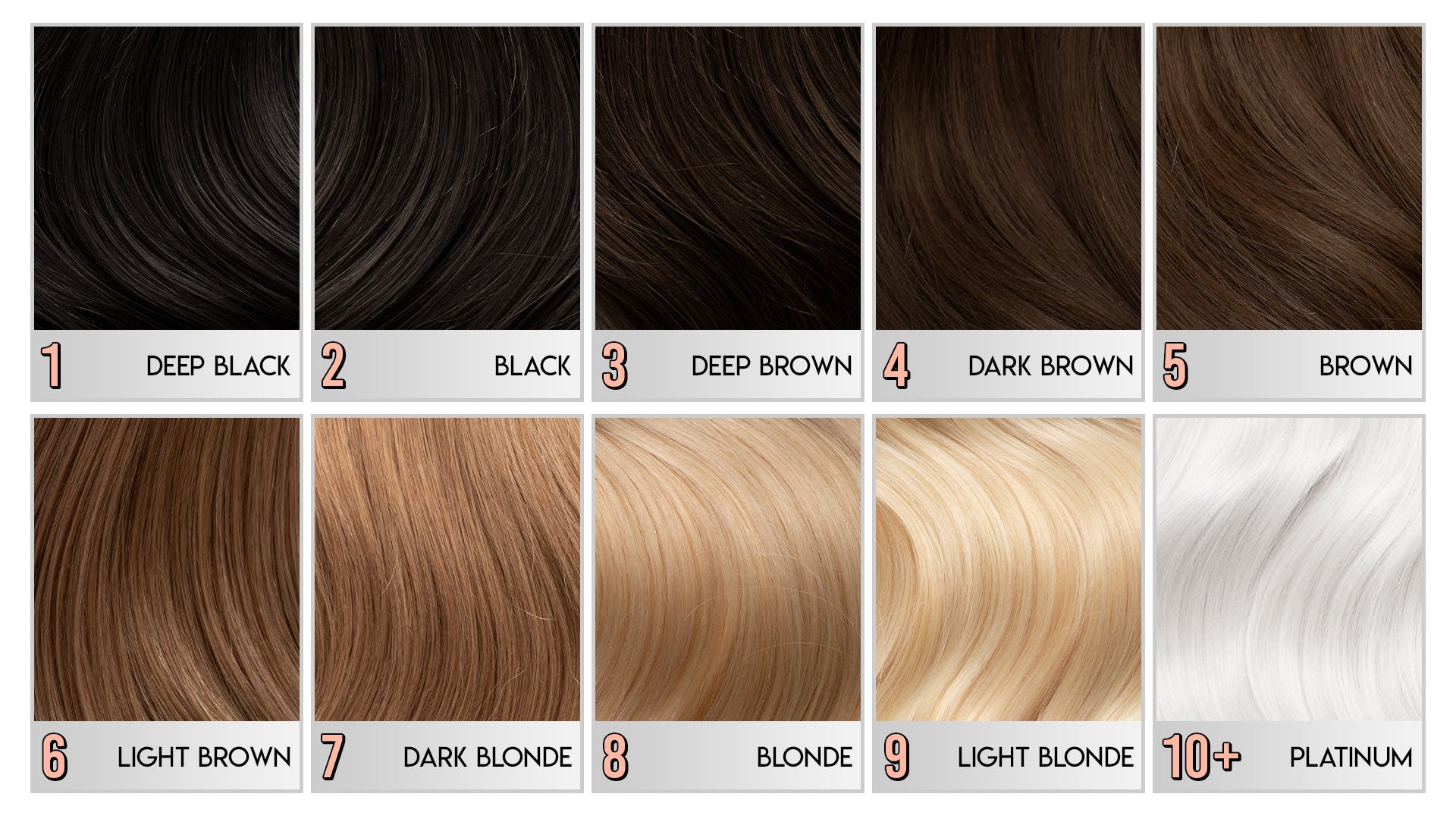
Understanding The Level System In Hair Color

Table Of Content Getting into Specifics: Level 8 Blonde Hair Color Variations Can You Use Purple Toning Shampoo On Brown Hair? Going up the ...